



Discover the secrets behind Italy’s longevity, flavor, and health
Italian Food- The Flavor of Place
Let’s start where flavor is born—in Naples, with pizza.
Not the heavy, greasy kind drowning in processed cheese. We’re talking about vera pizza napoletana: blistered, chewy crust from naturally fermented dough, San Marzano tomatoes grown in volcanic soil, Mozzarella di Bufala Campana DOP, a handful of fresh basil, and the right drizzle of extra virgin olive oil. Fired for 90 seconds in a wood oven, that’s it. Pure, honest perfection.
This isn’t fast food—it’s living heritage. And that’s the difference. In Italy, food is never disconnected from the land or the people who make it.

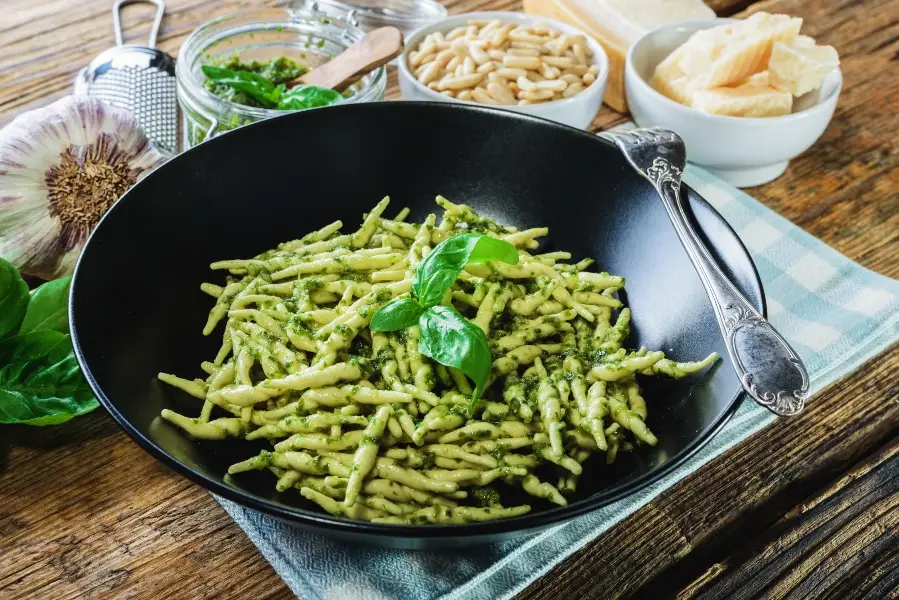
In Italy Pasta Is Not Just Pasta
Regional Shapes, Local Grains, and Ancient Wheat
Every region has its pasta shape, every sauce a story.
•In Bologna: golden egg-rich tagliatelle al ragù, hand-rolled with the weight of tradition.
•In Naples: linguine alle vongole, a briny embrace of sea, garlic, and parsley.
•In Puglia: orecchiette made by hand on grandmother’s doorsteps, served with wild broccoli rabe and anchovy oil.
•In Sardinia: malloreddus with saffron, shaped by thumb and memory.
Unlike most commercial American pasta, much of Italy’s is made from heirloom grains like Senatore Cappelli, known for lower gluten content and higher digestibility. Many people who feel sensitive to wheat in the U.S. are surprised they can eat pasta in Italy without discomfort.
Why? Fewer chemicals. Ancient varieties. Small-scale production. No shortcuts.


Italian Wine That’s Alive with Time
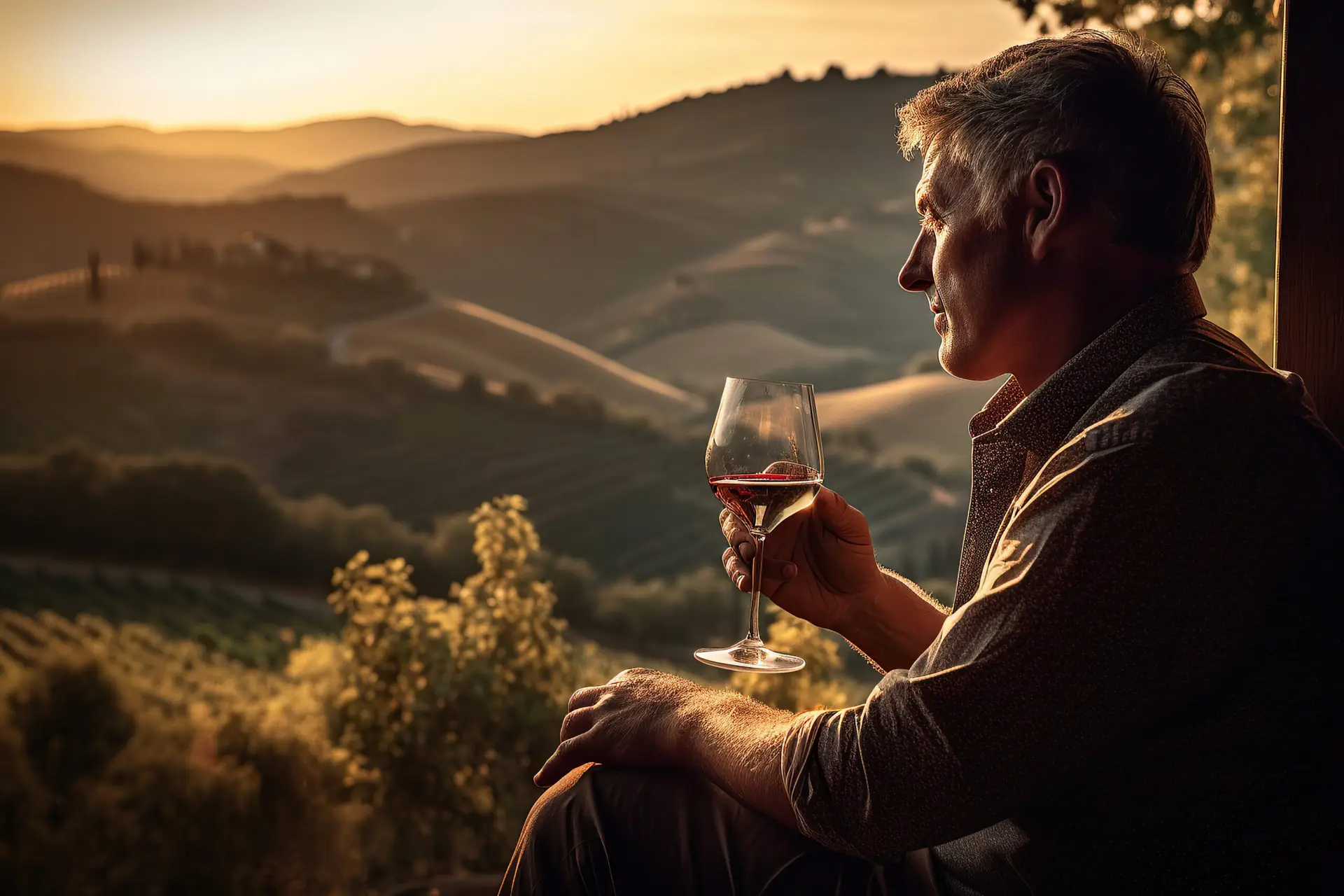
Over 2,000 Indigenous Grape Varieties—and Stories in Every Glass
Wine in Italy isn’t about brands. It’s about terroir, tradition, and trust passed through generations.
•Sangiovese in Tuscany for Chianti Classico
•Aglianico in Campania, the noble grape of the south
•Nerello Mascalese on the slopes of Mount Etna—smoky, complex, volcanic
•Greco di Tufo, Perricone, and hundreds more, many grown nowhere else on Earth
Italy is home to some of the oldest wine-producing families in the world:
•The Antinori family, making wine since 1385
•The Frescobaldi family, tracing their roots to the Middle Ages
These aren’t just wines—they’re liquid history, made from vines older than modern democracy.
A Italian Culture of Cheese, Bread, and Seasonality
Where Food Reflects Place
Every Italian region has its own cheese, bread, wine, and even words for vegetables. You can taste Tuscany in its saltless pane toscano. In Piedmont, hazelnuts from the Langhe region become rich gianduja. In Emilia-Romagna, Parmigiano Reggiano is aged to crystalline perfection.
Cheese, meat, and cured products are protected by DOP and IGP certifications—a legal promise that what you’re eating comes from where it says it does, and is made the right way.

The Slow Food Movement: Born in Italy, Resisting Fast Food Culture
Why Slow Food Matters—and What It Means for Your Plate
The Slow Food Movement began in 1986 in Bra, a small town in Piedmont, when a group of Italian journalists, chefs, farmers, and food lovers—led by Carlo Petrini—protested the opening of a McDonald’s near the Spanish Steps in Rome.
It wasn’t just about opposing burgers. It was about defending culture.
They feared what was being lost: traditional recipes, small farmers, food biodiversity, regional knowledge. In short, everything that makes Italian cuisine so rich and local. Fast food didn’t just threaten nutrition—it threatened identity.
Slow Food means:
•Eating foods that are good, clean, and fair
•Supporting small-scale, local producers
•Preserving traditional recipes and ingredients
•Embracing seasonality and biodiversity
Thanks to this movement, Italy now has official Ark of Taste lists, protecting endangered foods—from rare apples in the Alps to forgotten pastas in Sicily.
Why Italy’s Food Laws Matter
No GMOs. No Hormones. No Antibiotics in Healthy Animals.
Unlike the U.S., Italy strictly regulates food quality through European Union standards:
•Genetically Modified Organisms (GMOs) are banned for human consumption.
•Hormones are prohibited in livestock.
•Antibiotics are only used when absolutely necessary—not for routine prevention.
•All food products are traceable from farm to fork, meaning you can know where your food came from, how it was made, and who made it.
The Blue Zones of Italy: Longevity, Joy, and Even a Happy Sex Life
Why People in Italy Live Longer—and Live Well
Italy consistently ranks among the top countries for life expectancy—over five years longer than the U.S. on average. That’s not by accident.
One reason is the Mediterranean diet: rich in olive oil, fresh vegetables, legumes, fish, and whole grains. It’s not just healthy—it’s delicious and culturally ingrained.
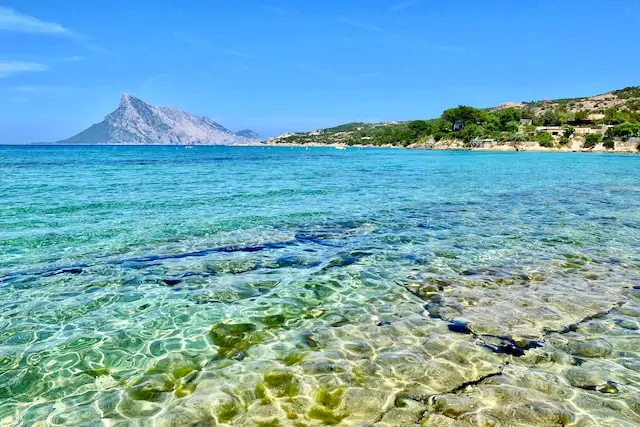
Even more fascinating, Italy is home to one of the world’s official Blue Zones: Sardinia. This is where people routinely live past 90 and 100, in good health, mentally sharp, and—according to multiple studies—still enjoying active sex lives well into old age.
Why Trattorias and Family-Run Kitchens Still Matter
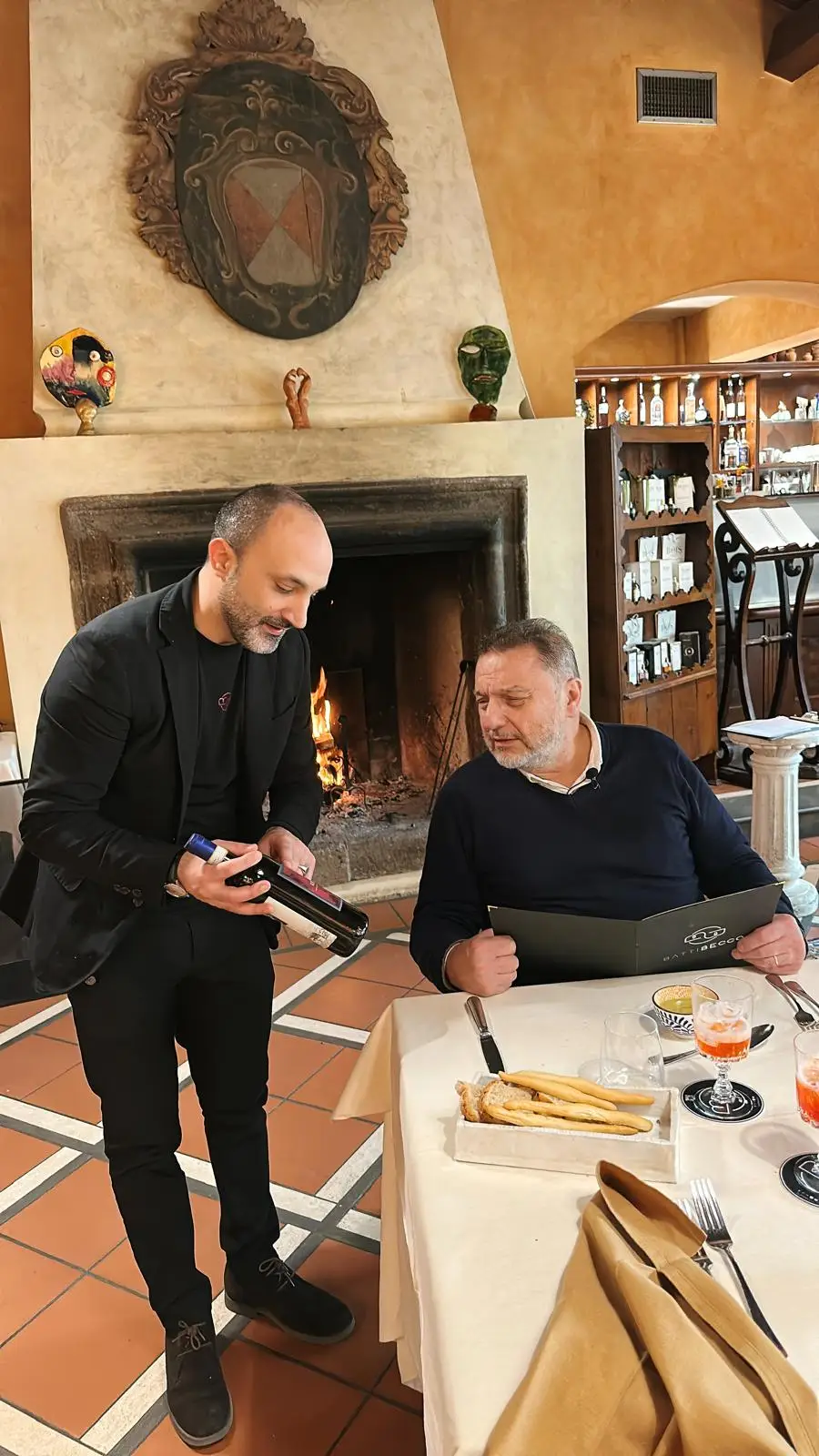
In an era of globally replicated Michelin-starred tasting menus, Italy stays rooted in its small kitchens, wood-fired ovens, and handwritten menus. You won’t find QR codes. You’ll find eye contact, conversation, and what’s good today.
Italy’s Incredible Food Biodiversity
More Greens, More Tomatoes, More Everything
Markets overflow with seasonal produce you won’t find in the U.S.: puntarelle, agretti, violet artichokes, white peaches. In Campania alone, there are dozens of registered tomato varieties, many cultivated for centuries.
The Science Behind Why European Food Is Healthier Than American Food
A Comparison of Standards, Safety, and Transparency
While Italy’s food culture is inspiring, it’s not just about history or heritage. It’s also about how food is produced, regulated, and protected. Europe—including Italy—follows stricter food safety laws and healthier agricultural practices than the United States. These differences have a direct impact on public health, food quality, and even how you feel after a meal.
In the United States, genetically modified organisms (GMOs) are widely used in crops like corn, soy, and canola. These ingredients appear in thousands of processed foods—and labeling isn’t required at the federal level. In contrast, the European Union enforces strict regulations on GMOs. Any food containing more than 0.9% GMO content must be labeled, and many countries—including Italy—ban GMO cultivation altogether.
Growth hormones, like rBGH, are legal in U.S. meat and dairy production to increase yields, but they are banned in Europe. The European Food Safety Authority determined decades ago that hormone use in livestock poses unacceptable health risks. Likewise, antibiotics are routinely used in American animal farming, often as a preventative measure even when animals are not sick. In Europe, antibiotics can only be used for treating illness, helping to combat the global rise of antibiotic resistance.
Pesticide use also differs significantly. The U.S. allows many pesticides banned in the EU, including chlorpyrifos, atrazine, and paraquat—all linked to neurological, hormonal, and developmental issues. European regulators follow the precautionary principle: if there’s doubt about a chemical’s safety, it’s restricted until proven harmless.
When it comes to food additives, the difference is just as striking. Artificial colors like Red 40 and Yellow 5, and preservatives like BHA and BHT, are common in U.S. snack foods and even children’s cereals. Many of these are banned or strictly limited in Europe, where foods containing certain dyes must carry warning labels about their potential to affect children’s behavior.
Transparency is another major contrast. In the U.S., several states have enacted “Ag-Gag” laws, making it illegal to film or photograph industrial farming operations without permission. These laws make it harder to expose animal mistreatment or unsafe food handling. Europe has no such restrictions. Investigative journalism and consumer advocacy are considered essential parts of the food chain.
Even something as basic as bread reveals the divide. In the U.S., commercial breads often contain bleached flour, added sugars, preservatives, and dough conditioners. In Italy and most of Europe, bread is made with just flour, water, yeast, and salt—often using traditional or ancient grains that are easier to digest and richer in nutrients.
Finally, American diets are dominated by ultra-processed foods, which make up more than 60% of daily calorie intake. These products are engineered for shelf life, not health, and are a major contributor to obesity, heart disease, and diabetes. In Italy, food is still largely seasonal, fresh, and locally sourced. Meals are home-cooked, portion sizes are reasonable, and eating is a social, not rushed, experience.
It all adds up to better outcomes. Italians enjoy longer life expectancy, lower rates of diet-related diseases, and higher overall well-being. The science is clear: when food is made with care, protected by law, and tied to tradition—it nourishes in every way.
Italian Food Protections and Place-Based Heritage
DOC, DOP, DOCG—and Why Tiny Hamlets Matter
In Italy, even the smallest village can produce something the world can’t replicate. That’s because of legal protections for traditional food production, such as:
•DOP (Denominazione di Origine Protetta) – Protected Designation of Origin
•IGP (Indicazione Geografica Protetta) – Protected Geographical Indication
•DOC/DOCG (for wines) – Controlled and Guaranteed Designations of Origin
Lardo di Colonnata IGP is a perfect example. This silky, herb-cured pork fat is aged in marble basins in the tiny hamlet of Colonnata, above the Carrara quarries. Its flavor depends entirely on the microclimate, local spices, and ancient methods—and it’s legally protected from imitation.
Experience the Real Italy with Artviva’s Food & Wine Tours
At Artviva, we work with Michelin-starred chefs, local artisans, foragers, winemakers, cheesemakers, and truffle hunters. We even turn transfers into gourmet journeys.
Our Top 10 Food & Wine Experiences:
How Best to Experience the Best of Italian Food1.Truffle Hunt with Lunch & Wine Tasting in Tuscany
Hunt prized white truffles in the woods with expert foragers and dogs, then enjoy a gourmet truffle-themed lunch with local wines at a private estate.
2.Cooking with a Duchess in Her Palace in Palermo
Enter a real palace and cook traditional Sicilian dishes with a noble-born host. A truly aristocratic culinary experience.
3.Private Tuscan Cooking Class with Michelin Chef
Learn to make exquisite Tuscan cuisine in a hands-on class guided by a Michelin-starred chef. Wine pairings included.
4.Florence Food & Market Tour with Tastings
Visit Florence’s vibrant food markets with a local guide, tasting everything from cheeses to balsamic vinegar to fresh-baked breads.
5.Cheese, Truffles, and Wine: The Gourmet Transfer to Rome
Transform your Florence-to-Rome journey into a tasting tour with cheese, truffle, and wine stops along the way.
6.Chianti Wine Tour with Lunch at a Boutique Winery
Discover the Chianti countryside and enjoy exclusive tastings and a delicious winery lunch with unforgettable views.
7.Private Visit to Parmigiano Reggiano Cheese Makers
See how real Parmigiano Reggiano is made, meet the cheesemakers, and taste cheese aged to perfection.
8.Aperitivo with a View: Rooftop Wine Tasting in Florence
Sip Tuscan wines and prosecco while watching the sunset from one of Florence’s most beautiful rooftops.
9.Gourmet Transfer from Florence to Venice via Parma and Modena
Turn your journey into a feast, stopping for prosciutto, balsamic vinegar, and more en route to Venice.
10.Private Visit to a Buffalo Mozzarella Farm in Campania
Visit a working farm and watch creamy buffalo mozzarella made fresh. Tastings included, of course.
Book Now and Taste the Real Italy
Artviva is a fully licensed company based in Florence, Italy.
We’ve been designing authentic food, wine, and cultural experiences for over 20 years.
We know extraordinary people.
And we do extraordinary things.
Visit www.artviva.com to begin your journey.