
Tuscan Bread Without Salt: The Story Behind Italy’s Most Iconic Loaf
Discover the Flavor That Tells the Story of Tuscany
Bite into tradition and let your taste buds travel. When you try Tuscan bread without salt, you’re not just savoring a staple of Italy — you’re tasting history. This rustic, saltless loaf isn’t only about flavor. It’s about centuries of culture, culinary ingenuity, and the bold Tuscan attitude that still defines the region today. Pair it with a slice of aged pecorino or a drizzle of golden extra virgin olive oil, and you’ll understand why this humble bread has captured so many hearts.
Why Does Tuscan Bread Have No Salt?
The question many travelers ask: why is there no salt in Tuscan bread? The answer lies in a fascinating mix of history, politics, and practicality.
A Salt War That Changed Everything
Back in the 12th century, Tuscany was far from the peaceful countryside we admire today. Rival city-states often clashed, and one of the most dramatic disputes involved something as humble as salt. The maritime Republic of Pisa, once Florence’s bitter rival, decided to flex its economic power by imposing sky-high taxes on salt — an essential ingredient that gave value to food.
The Florentines resisted. Instead of giving in, they baked their bread without salt. What began as rebellion soon became tradition, and Tuscan bread without salt — known as Pane Toscano — was born.
For Tuscans, salt-free bread wasn’t a sacrifice but a statement of independence. Today, the same loaf continues to be served with pecorino, prosciutto, and olive oil. It remains a slice of Tuscan identity: practical, bold, and defiantly proud.
Taste rebellion in every bite on our Florence Food Tour — where history meets flavor.
Saltless by Design — But Not Flavorless
Far from bland, Tuscan bread without salt is a culinary advantage. Its neutral flavor makes it the perfect canvas for the bold ingredients of Tuscany. Imagine tearing into a slice topped with aged Pecorino Toscano, spicy finocchiona, or silky prosciutto crudo. The bread never competes — it complements.
This is the genius of Pane Toscano: instead of overpowering, it enhances. Every bite is a celebration of Tuscan terroir, a balance between simplicity and intensity.
Bread: Italy’s Most Beloved Snack
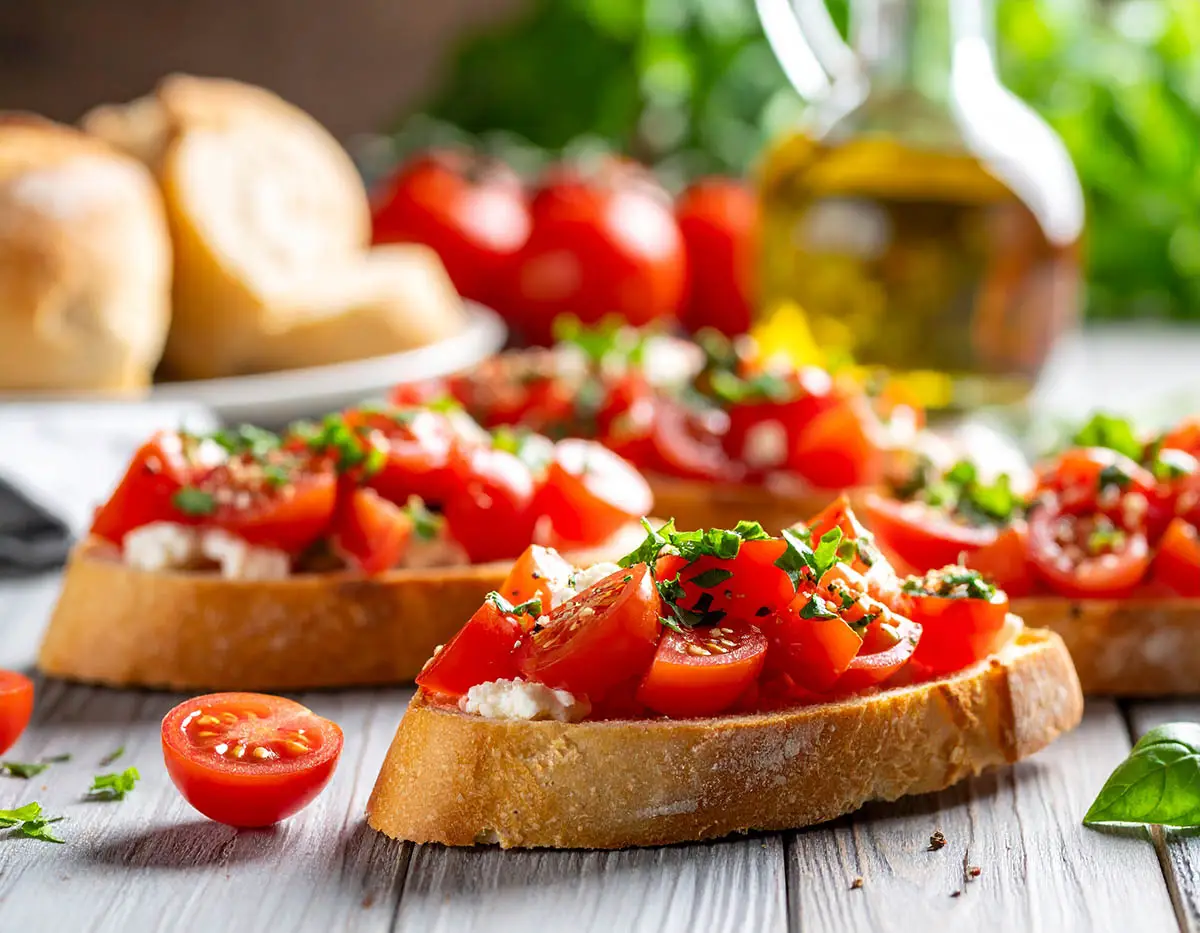
In Italy, bread is more than food — it’s a ritual. Generations of Italians grew up with a slice of warm bread drizzled with extra virgin olive oil, rubbed with fresh tomato, or, for sweet moments, topped with Nutella.
For Tuscan families, Tuscan bread without salt was always at the center of the table. From savory snacks to childhood treats, bread connects the past with the present — a tradition made with love and shared with pride.
What Does Tuscan Bread Taste Like?
Crusty on the outside and soft inside, Tuscan bread without salt has a mild, slightly tangy flavor from natural leavening. Its simplicity is intentional, making it the perfect match for strong Tuscan ingredients like Pecorino Toscano, liver pâté, lampredotto, or rich olive oils.
And of course, it’s essential for the beloved scarpetta — scooping up the last drops of sauce from your plate. Wherever you go in Tuscany, bread will be the first thing served, and it’s not just to tame hunger. It’s an invitation to savor the essence of Tuscan dining.
How Is Tuscan Bread Made?
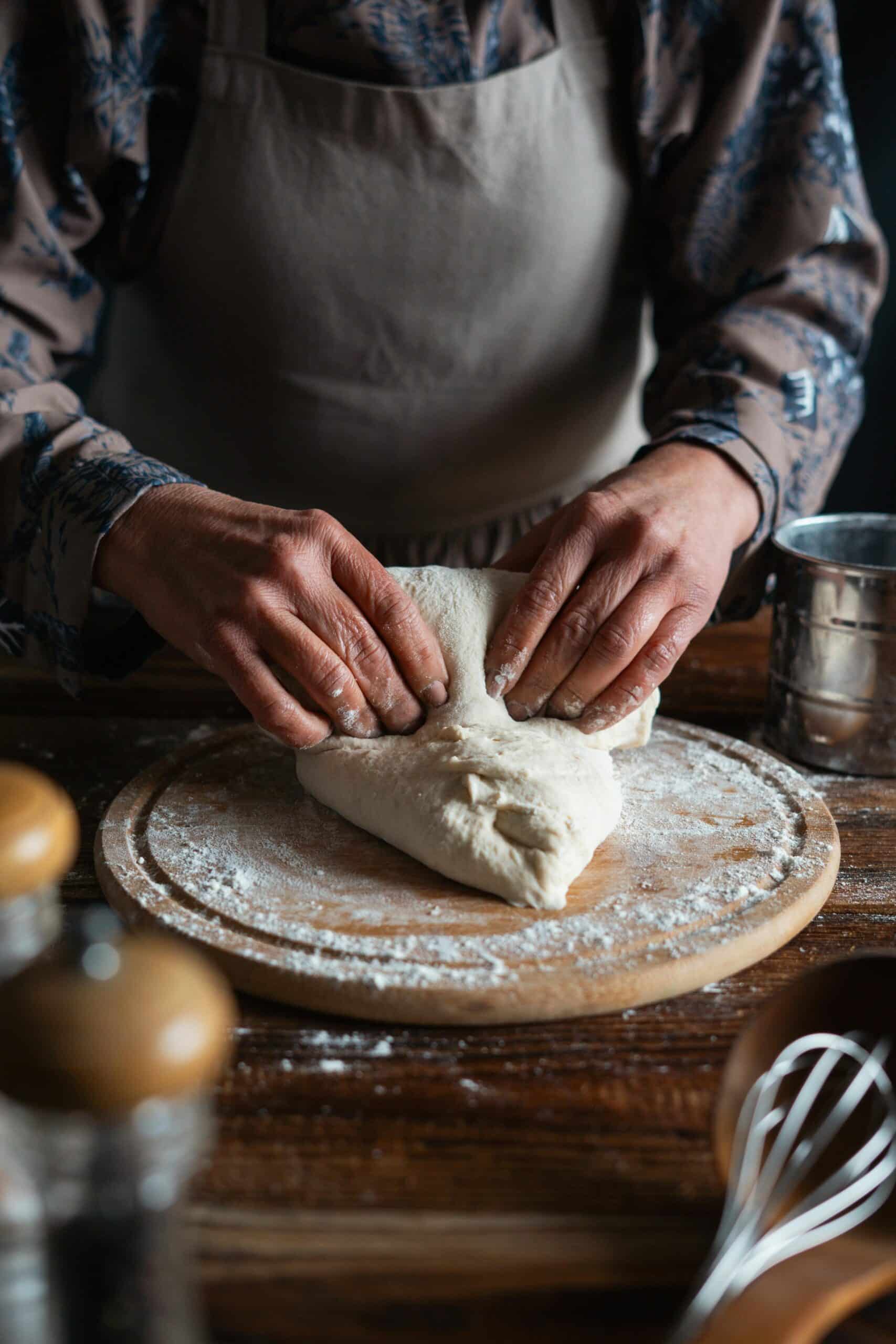
At first glance, Pane Toscano looks simple — but its artistry lies in tradition. Made only with water, flour, and natural yeast (lievito madre), this bread skips salt, sugar, and preservatives. The dough ferments slowly, developing a gentle acidity before being baked in wood-fired ovens that give it a golden crust and smoky aroma.
Want to experience it yourself?
Join our Florence Cooking Class and learn to bake Tuscan bread from scratch with expert chefs.
Beyond Pane Toscano — Tuscany’s Bread Traditions
Tuscany’s bread culture is rich and diverse. Each variety reflects a different story:
- Bozza Pratese – a rustic, dense loaf for typical italian dishes as: Pappa al Pomodoro or Panzanella.
- Schiacciata all’Olio – or Schiacciata Toscana, a salty flatbread drizzled generously with local olive oil — perfect for aperitivo or sliced open and stuffed with cured meats.
- Pan di Ramerino – golden buns with rosemary and raisins, once reserved for Holy Week.
Tuscany’s bread story continues to evolve. While tradition remains at its heart, new generations of bakers are embracing alternative flours — like chestnut, spelt, and ancient grains — to meet changing tastes and dietary needs. This blend of heritage and innovation has enriched the regional bread basket, offering visitors and locals alike a flavorful journey through time.
From festival breads to everyday favorites, Tuscany offers a bread for every occasion and every craving. Dipping, tearing, topping, or savoring — each bite is a delicious way to connect with Tuscan tradition.
Where to Taste Authentic Tuscan Bread?
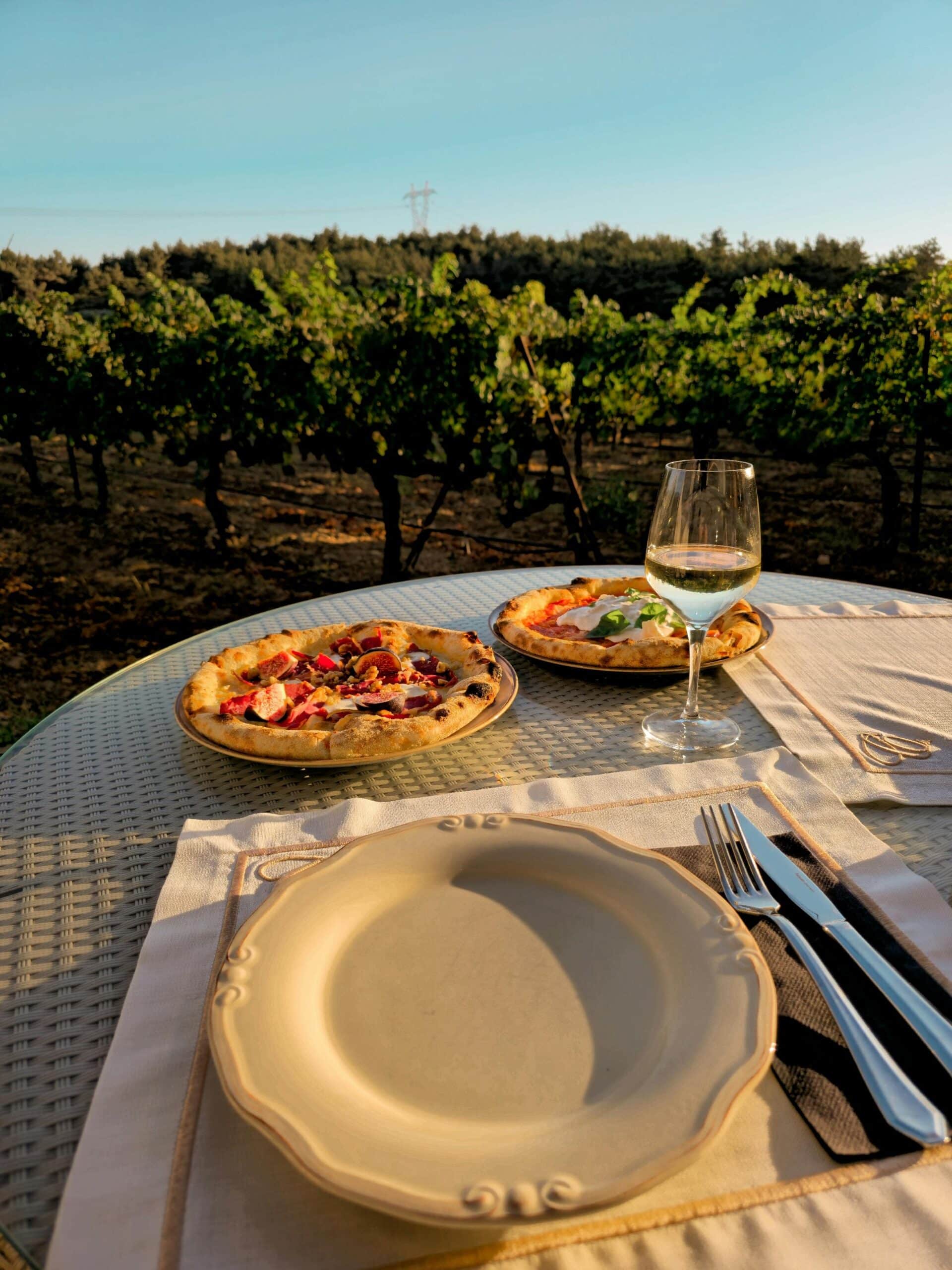
The best way to experience Tuscan bread without salt is by visiting Tuscany itself. Wander through hill towns, stop at village bakeries, and pair fresh bread with wine in Chianti or pecorino in Pienza.
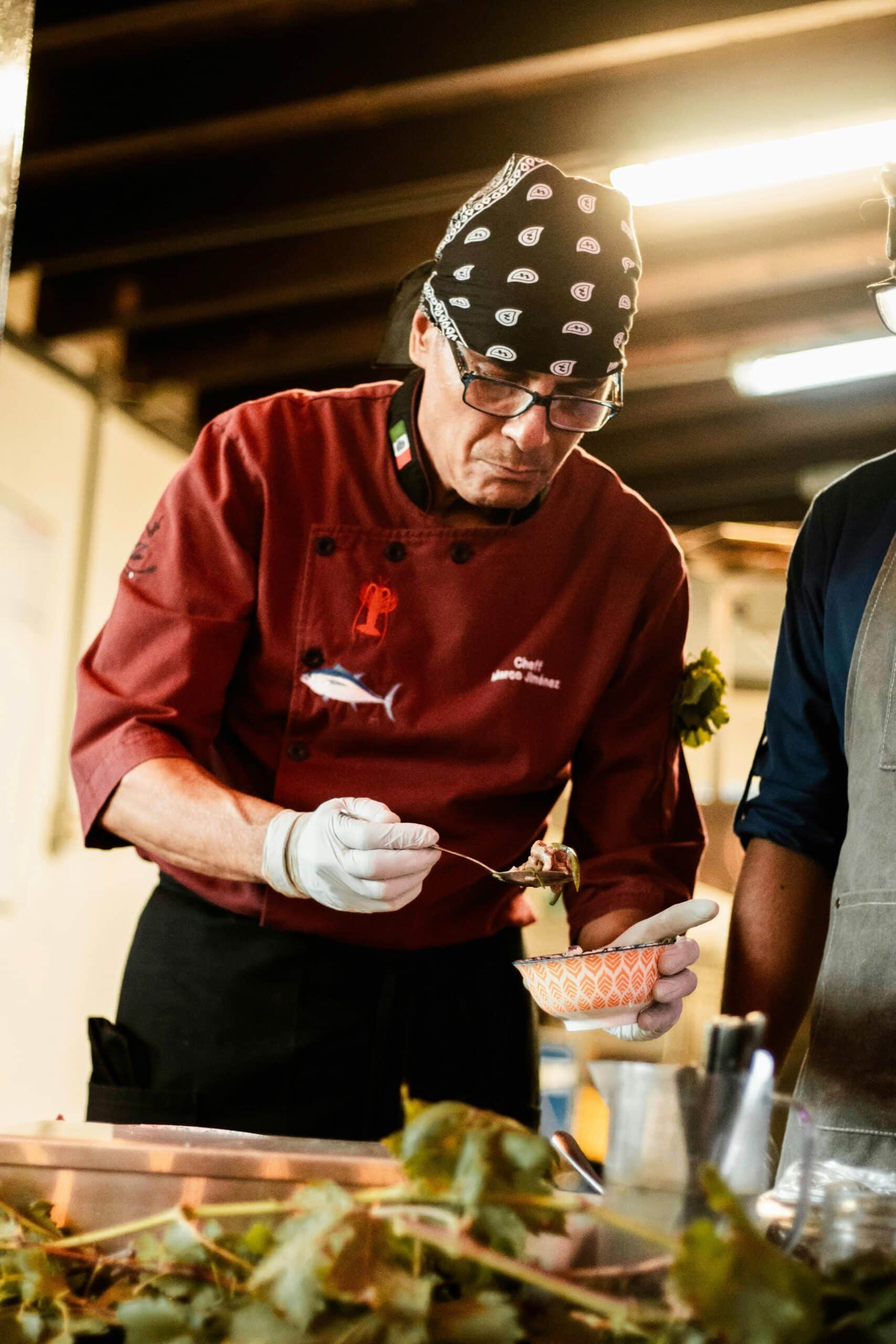
Book our Florence Food Tour with Market Visit and discover authentic Pane Toscano, artisanal cheeses, and local delicacies — all in the company of expert guides.
Indulge in the real flavors of Tuscany with ArtViva’s private food & wine experiences. Whether you’re wandering Florence’s food markets or exploring the hilltop villages of Chianti and Val d’Orcia, our expert guides bring history, taste, and luxury together in unforgettable ways.
Book your taste of Tuscany now — because no one tells the story of Italian flavor better than ArtViva.
FAQs About Tuscan Bread Without Salt
Is Tuscan bread gluten-free?
No, traditional Tuscan bread is made with wheat flour.
Why doesn’t Tuscan bread taste salty?
Because it has no salt by design. The mild flavor allows olive oil, pecorino, and cured meats to shine.
What makes Tuscan bread unique?
Its saltless recipe, crusty exterior, and soft interior make it the ideal partner for Tuscany’s bold flavors.
Where can I try authentic Tuscan bread?
Join ArtViva’s Florence Food Tour or visit village bakeries across Tuscany’s hill towns.
Can I learn to bake Tuscan bread?
Yes! Our Tuscan Cooking Class teaches you how to make Pane Toscano step by step.
Does Tuscan bread pair well with wine?
Absolutely. Its neutral taste complements Chianti Classico, Brunello, and Super Tuscans beautifully.
Can Tuscan bread be sweetened?
Yes — many Tuscans enjoy it with honey, fig jam, or even Nutella.
How long does Tuscan bread last?
It keeps for 2–3 days and is often revived in soups like pappa al pomodoro.
Is saltless bread common elsewhere in Italy?
Not really — Tuscany is unique in its long-standing salt-free tradition.
Can I book a full culinary experience with ArtViva?
Yes! From food tours to cooking classes and villa stays, ArtViva creates luxury itineraries designed around your tastes.
Tours You Might Like After Discovering Tuscan Bread
Your Journey into Tuscan Bread Is Just the Beginning!
At ArtViva, your taste of Tuscan bread is the gateway to a deeper, richer experience of Italy. We offer more than just exceptional tours — we craft seamless, story-rich itineraries for travelers who value authenticity, comfort, and style.
Whether you’re imagining a romantic escape, a family adventure, or a private group experience, we’ll design your ideal Italian itinerary — down to the last glass of Chianti.
Contact us today to start planning your journey through Tuscany. With ArtViva, it won’t just be a vacation — it will be a story worth savoring.